{TopMobile}


Feb. 11 2026
Reverse logistics networks are evolving as returns continue to tick up. According to the National Retail Federation (NRF), retailers estimate that 16.9% of their annual sales in 2024 will be r... View More

Oct. 20 2025
As the holiday peak season approaches, retailers are preparing by ensuring adequate inventory and parcel shipment capacity. However, often overlooked is how to manage returns effectively durin... View More

May 21 2025
While tariffs may disrupt supply chains and discourage the import of goods, they can potentially create an opportunity for domestically recirculated, reused, and refurbished products. China... View More

April 4 2025
The second half of 2024 was one of return volumes holding steady but was a mixed bag for returns costs, according to the Reverse Logistics Association’s (RLA) returns index. “It seems... View More

Aug. 20 2024
The latest findings from the Reverse Logistics Association's (RLA) quarterly Returns Index show that returns costs continue to rise faster than returns volumes. The returns cost index jumpe... View More

July 26 2024
Consumers are returning more big and bulky items such as furniture and exercise equipment because of the ease and improved comfort level of purchasing such items online. In addition, like fast... View More

May 7 2024
The record-breaking 20th annual Reverse Logistics Association (RLA) annual conference featured many great events and sessions, including the Women in Reverse Logistics Luncheon with Colleen Ro... View More
March 22 2024
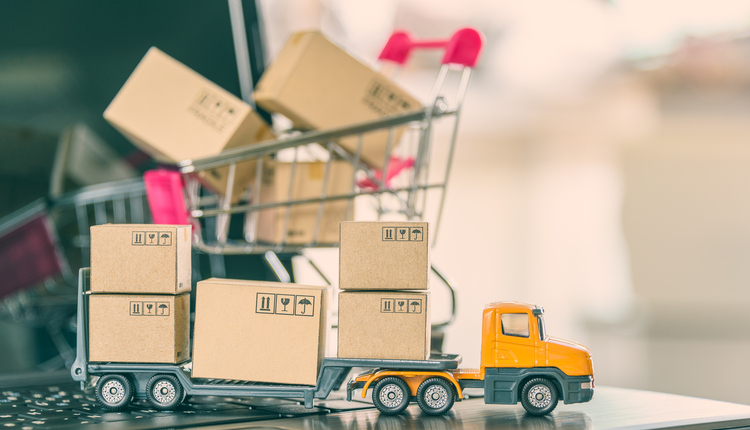
As omnichannel sales increase, the number of returns will grow. Indeed, e-commerce retail sales have increased 8.3% year-to-date through November, while retail sales have risen two percent for... View More

Oct. 30 2023
ESG reporting refers to the disclosure of data covering the company’s operations in environmental, social, and corporate governance. According to financial firm Morningstar, the number of pu... View More
Sept. 19 2023
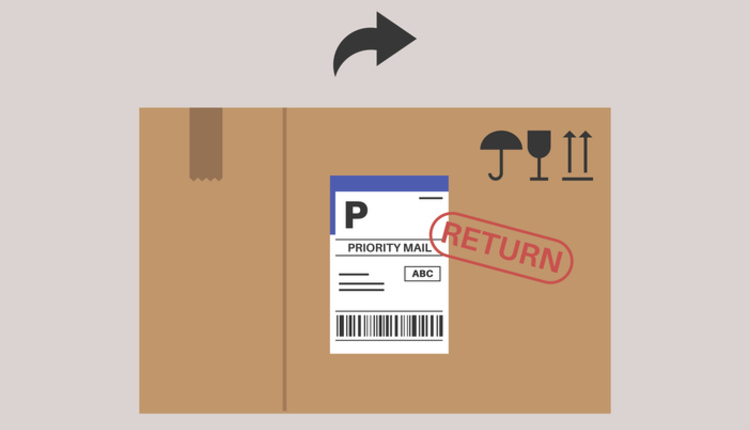
Rising returns volumes have leveled off, but the costs of returns continue to climb according to the Reverse Logistics Association's (RLA) quarterly returns index. For Q1 and Q2, the returns... View More

July 11 2023
The resale market is growing quickly as consumers become more mindful of sustainable practices. According to a recent report from RLA member ThredUp and research and analytics firm GlobalData... View More

Feb. 24 2023
Have you ever wondered what happens to clothing, furniture, and other goods not sold in traditional outlets such as stores, online platforms, or outlets? Some are sold to third parties that se... View More

Feb. 8 2023
A muted holiday season is expected as the National Retail Federation (NRF) forecasts retail sales to grow between six and eight percent over 2021 to between $942.6 billion and $960.4 billion... View More

Nov. 28 2022
What's old is new nowadays, as retailers resell returned items online and in stores. According to data analytics and consulting firm, GlobalData, the market for secondhand goods is estimated... View More

Aug. 16 2022
Higher transportation, labor, and warehousing costs are driving up returns costs. According to the latest Returns Index Survey from the Reverse Logistics Association (RLA), 55% of survey respondents n
July 29 2022
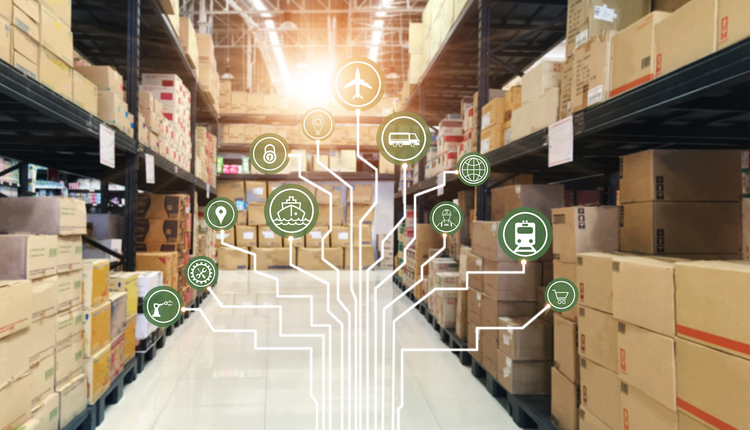
The cost of returns is rising faster than volumes according to the Reverse Logistics Association’s (RLA) surveys. In each of the quarterly surveys since they began last October, costs have b... View More

July 21 2022
The cost of returns is rising faster than volumes according to the Reverse Logistics Association’s (RLA) surveys. In each of the quarterly surveys since they began last October, costs have b... View More

April 4 2022
Sorry, folks. The last mile is not necessarily the end of a supply chain. Instead, we at the Reverse Logistics Association view the supply chain as circular, encompassing reverse logistics pra... View More
 By Brian EstesThe small parcel market is not simply evolving; it is reorganizing around a different set of priorities. For decades, national carriers focused on maximizing volume, expanding networks, and ca
 Amazon’s less-than-truckload freight now ships to any type of destination and serves businesses of all sizes, following strong demand from Amazon selling partners and vendors
 The terms of sale used for transactions within the United States have wide spread recognition, however, these terms are not defined in a single source. “F.O.B. Origin” and “F.O.B. Destination”
 Once defined by linear processes and disconnected systems, supply chains are becoming dynamic networks that respond in real-time to demand signals, labor constraints, and customer expectations
 France has become the latest country to enact a fee on low-value imports that takes effect before the European Union’s broader customs reform — a €3 duty across the bloc set to take effe



- By Brian EstesThe small parcel market is not simply evolving; it is reorganizing around a different set of priorities. For decades, national carriers focused on maximizing volume, expanding networks, and ca
- Amazon’s less-than-truckload freight now ships to any type of destination and serves businesses of all sizes, following strong demand from Amazon selling partners and vendors
- The terms of sale used for transactions within the United States have wide spread recognition, however, these terms are not defined in a single source. “F.O.B. Origin” and “F.O.B. Destination”
- Once defined by linear processes and disconnected systems, supply chains are becoming dynamic networks that respond in real-time to demand signals, labor constraints, and customer expectations
- France has become the latest country to enact a fee on low-value imports that takes effect before the European Union’s broader customs reform — a €3 duty across the bloc set to take effe
